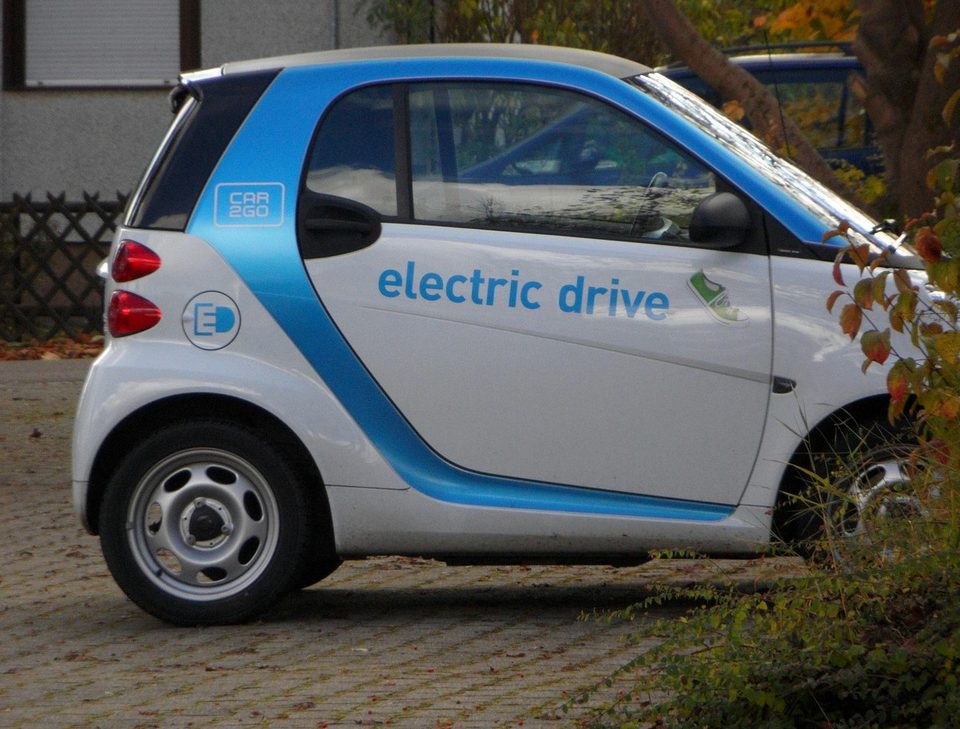
Using Shared Electric Cars: Charging, Range and Parking
Shared electric cars offer another option for short city trips, but using them differs noticeably from using fuel-powered car-sharing vehicles. Driving range, charging arrangements and parking rules each affect whether a trip is practical. The points below cover the main features, range planning and charging, one by one, to help you prepare before you ride.

Key takeaways
-
Return Before returning the car, confirm that the parking location meets the service requirements, and check the battery level and any belongings left inside.
-
Compare Compared with a petrol car, a shared electric car requires more attention to range and charging arrangements, and fee comparisons should consider the total cost breakdown.
-
Prepare Before setting off, leave a range margin, and familiarise yourself with the vehicle's features and the service's terms of use.
Key Features of Shared Electric Cars
Shared electric cars run on electricity, so they produce no tailpipe emissions while driving, which is why they are often regarded as a greener way to get around in some urban areas. Compared with petrol cars, electric cars accelerate more smoothly and are quieter on the road, making them well suited to short journeys within the city. However, their energy supply depends on battery capacity, so each trip is limited by how much charge is available, a difference from the refuelling habits of petrol cars.
Shared electric cars vary in model, battery specification and age, and the remaining charge and range can differ from one vehicle to another on the same platform. Before choosing a car, check the battery percentage and estimated range shown in the app or rental interface. Some models offer less seating space and luggage capacity, so if you need to carry more items, confirm the vehicle details in advance.
Electric cars also differ from ordinary petrol cars in their controls, such as how they start, driving modes and regenerative braking settings. Before setting off, take a moment to get familiar with the dashboard display and control buttons. As these features affect how quickly the battery drains, understanding them helps you manage charge more effectively.
How Range Affects Trip Planning
Range is the first factor to consider when planning an electric car journey. The actual distance a battery can cover is affected by many conditions, including temperature, road conditions, driving speed, air-conditioning use and the load in the car. In cold or hot weather, battery performance generally drops, so the range shown on the dashboard may not fully match real-world conditions. When estimating a trip, leave a sufficient reserve of charge.
When planning a trip, first decide on your destination and the round-trip distance, then compare this with the car's remaining charge. If the journey involves several stops, work out the energy use for each leg and check whether there are suitable charging or return points along the way. For trips that involve long waits or several activities, running low on charge can disrupt later plans, so advance planning is especially important.
In addition, your driving habits also affect energy consumption. Sudden acceleration, hard braking and prolonged high-speed driving usually drain the battery faster, while smooth driving helps extend range. Some electric cars offer an eco mode or regenerative braking settings, so you can choose a suitable mode for the road conditions. Paying attention to these details helps you complete your journey with limited charge.
- Check the car's remaining charge and estimated range before setting off
- Calculate the round-trip distance and leave a margin for weather and road conditions
- For trips with several destinations, estimate energy use leg by leg
- Be aware of how air-conditioning and high-speed driving affect battery use
- Choose a suitable driving mode for the road conditions
Charging Methods and Charging Station Locations
Charging for shared electric cars usually falls into two types: the car charges itself, or the user charges it at a designated location. Some operators arrange for staff or a fleet team to handle charging, so users only need to make sure the car is within the designated area when returned. Before use, find out how the platform handles charging, including whether you need to connect the charger yourself and whether charging affects how your rental fee is calculated.
The location and number of charging stations are key factors in how convenient the service is. Users should consider the distance between charging stations and their destination, and check opening hours and any usage restrictions. Some public charging facilities may require a specific plug or payment method, so checking the relevant information in advance avoids inconvenience when you need the car. If a charging station is in a congested or remote area, it can also add to the time your trip takes.
While charging, users should follow the instructions of the platform and the charging facility, and avoid parking the car in an unsuitable spot or using an unverified charger. Charging time depends on the charger's power output and the battery's condition, and the difference between fast and slow charging can be considerable. When planning a trip, include the time needed for charging in your overall schedule so it does not affect later plans for the car.
Parking Points and Return Rules
Parking points and return rules are the part of using a shared electric car that is most easily overlooked, yet they have the greatest impact on the next user. Most services specify where cars may be returned, which could be a particular car park, a marked spot on the roadside, or a parking point shown on the map in the app. Before returning the car, confirm it is parked in a permitted area, and make sure it is not blocking pedestrians, traffic lanes or accessible routes.
Different services also have different requirements regarding charge level, vehicle condition and items left behind. Some services require a certain charge level before a trip can be ended, otherwise you may need to arrange charging separately. Before returning the car, check that you have not left any personal belongings inside, and take photos of the parking location and the vehicle's condition as a record in case you need them later.
If you cannot find a suitable parking point at the end of your trip, consult the app's instructions or contact the service's customer support rather than parking carelessly. Breaching the return rules may incur extra charges, so reading the relevant terms before setting off can help you avoid unnecessary disputes.
- Return the car to a designated or permitted area
- Confirm the charge meets the service's return requirements
- Check the car for any personal belongings left behind
- Photograph the parking location and vehicle condition as a record
- If no suitable spot can be found, contact customer support first
Comparison with Fuel-Powered Car Sharing
Compared with shared petrol cars, shared electric cars differ in several ways in everyday use. An electric car's body structure and handling are generally similar to a petrol car's, but drivers need to pay closer attention to the remaining driving range rather than a fuel gauge. Refuelling times and locations are also more fixed, whereas electric cars may require charging to be planned into a trip, so the flexibility of a journey can be affected in some situations.
As for costs, the two are not necessarily calculated in the same way, and each service's pricing structure varies, so they are hard to generalise about. When comparing, look at the make-up of the total cost, including time, mileage, insurance and any additional charges, rather than just a single unit price. Reading each platform's pricing explanation is a more reliable way to compare.
In terms of environmental impact, electric cars emit no exhaust gases directly during use, which is one of the features they are widely discussed for. However, the overall environmental impact still depends on the source of electricity and on the vehicle's production and disposal. Which type of vehicle to choose should therefore depend on your own journey needs and a balanced consideration of these factors.
Points to note when using an electric car
Several matters are worth noting in advance when using a shared electric car. First, check the remaining range and charging status before setting off, and leave a sufficient margin to cope with traffic congestion or route diversions. Second, drivers should become familiar with the vehicle's regenerative braking, instrument display and emergency operating procedures, as these features may differ between models.
In cold or hot weather, battery range may be affected, so keep some flexibility in your plans. Also, follow the service's instructions when using charging equipment, and avoid plugging in or unplugging charging cables in inappropriate circumstances. If you encounter a vehicle fault or a charging problem, immediately notify customer support following the service's procedure and stop using that vehicle.
Finally, pay attention to the procedures after the journey ends, including confirming that the booking has been properly closed and payment completed. Reading the service's terms of use, particularly the sections on liability, damage and accidents, will help users respond appropriately in an emergency.
This article provides general information only and does not constitute professional advice.